
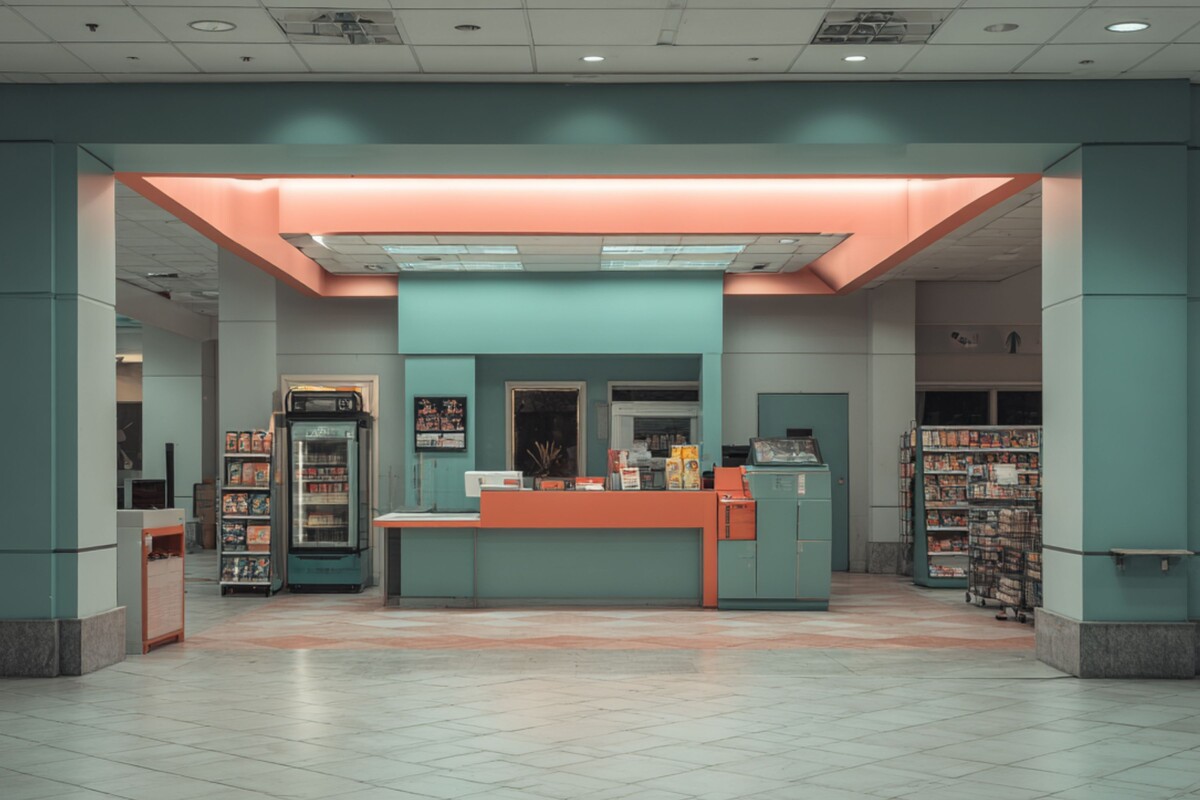
Autonomous stores are rapidly gaining ground in Europe. What began as an experiment among technology-driven startups is now being scaled up by major retailers such as Carrefour. Their "BuyBye" concept, micro-stores as small as 18m², staffed by AI and cameras instead of people, offers customers 24/7 access to snacks, groceries and beverages via a QR code and automatic payment.
The promise? Complete efficiency, zero queues and lower costs. But at the same time, an important question arises: does the brand experience disappear with the vendor?
Technology puts pressure on contact moment
According to Deloitte, 70% of European retailers see autonomous retail technology as necessary to address cost pressures. Locations such as airports, hospitals or offices are perfect for this.
Yet PwC research shows that 64% of consumers feel less well served in stores without staff, especially for products that require explanation, such as cosmetics, health products or premium household goods.
Retail strategist Olivier Dauvers emphasized at the RetailDetail Congress 2025:
"Efficiency can be an asset, but if the brand disappears behind a glass wall and a scan, it loses its power."
Not every product is suitable for automation
For convenience products, a bottle of water, a candy bar, a mini skincare kit, autonomous stores make sense. The purchase is functional, fast and price sensitive. But in segments where trust, repetition or explanation are crucial, such as eco-detergents or skin care, this model does not work naturally. There, the brand needs to be able to tell its story. And that works better through a store employee, a promotional booth or a demonstration than through a digital interface.
Vision of Johan Lauwers, CEO Worldtrading Europe:
"Autonomous stores are not a threat, as long as they are used smartly. But people build brands, machines don't. Brands live in interaction, in advice, in perception. That should never disappear."
At Worldtrading Europe, we believe technology is valuable when it enhances, not replaces, the shopping experience. Especially in a market where private labels continue to gain market share, brand differentiation through service and explanation is essential.
How brands and retailers can make a difference
🟢 Use autonomous units where convenience prevails
Place them strategically: in businesses, airports or hotels and not in environments where the customer expects to be helped.
🟢 Let AI and data better understand the customer
Use data from autonomous units to optimize assortments and better support customer behavior, not eliminate personal contact.
🟢 Don't limit technology to cost savings
Ensure that every sales channel, autonomous or staffed, reinforces the brand, through packaging, story or on-site digital content.
🟢 Invest in hybrid models.
Combine human and digital interaction: self-checkout during quiet hours, product advice at launches or at premium segments.
🟢 Continue to invest in brand experience.
Clear storytelling, demos, education and sustainability certifications make a difference, even in a world of smart technology.
The future is hybrid
Retail without people is no longer science fiction; it's happening today. But the real winners will be those brands and retailers that cleverly combine technology with service, advice and customer focus.
At Worldtrading Europe, we are building that hybrid future: with fast, scalable solutions where we can and with warm, people-centric brand experience where we must.